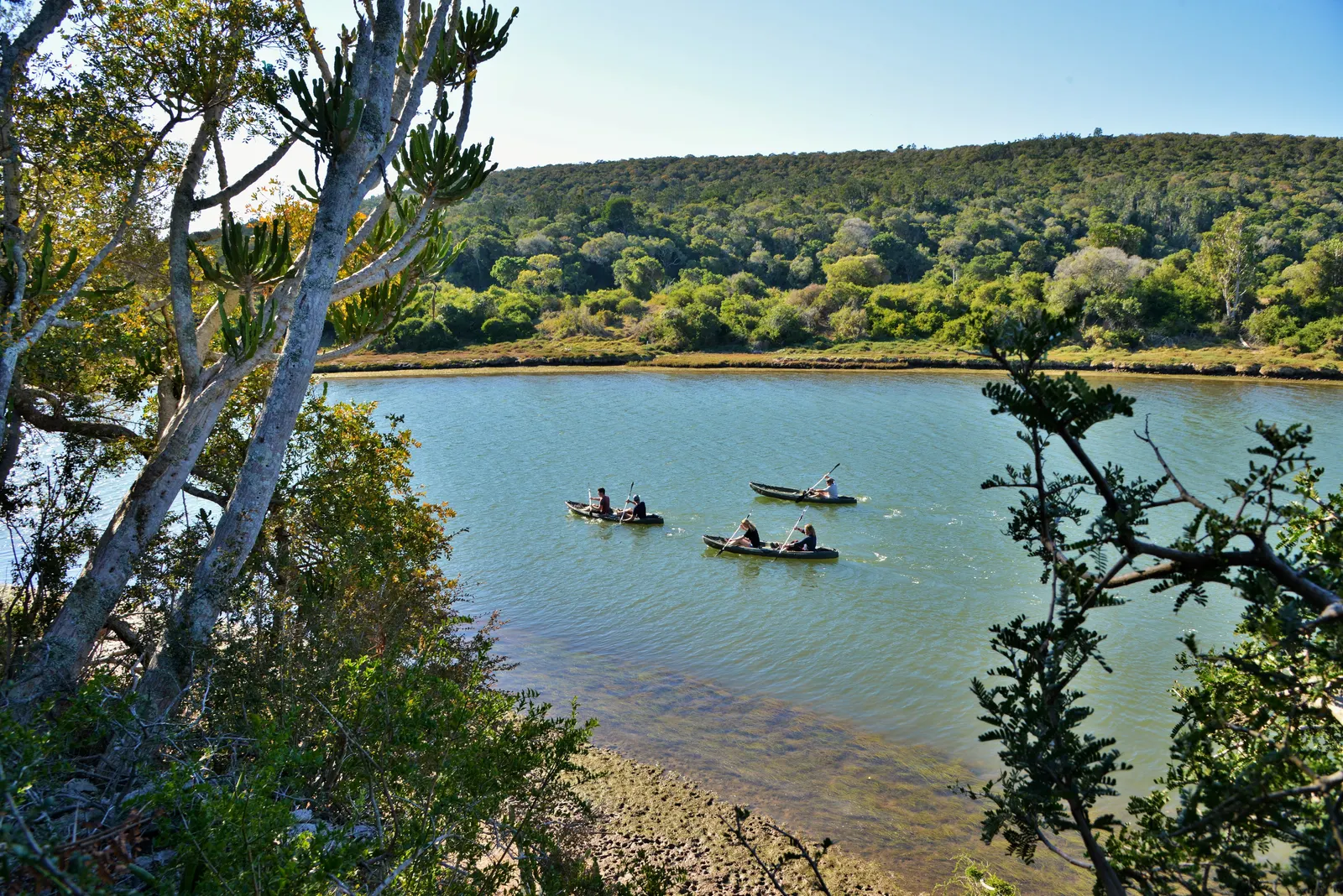
The Sibuya Wilderness Experience is Sibuya Game Reserve’s conservation volunteer programme in the malaria-free Eastern Cape of South Africa. Volunteers stay at Intaka Lodge close to the reserve for a minimum of one week (two weeks is recommended), arriving on a Sunday with transfers from Port Elizabeth (Gqeberha) airport. They help with wildlife monitoring, habitat and reserve management, river and coastal work and community projects, alongside the Sibuya team. Accommodation, meals as specified, transfers on scheduled days and daily activities are included. UK travel agents and tour operators book it through Kusa Connect, Sibuya’s UK travel trade representative.
The programme at a glance
- Run by
- Sibuya Game Reserve, Kenton-on-Sea, Eastern Cape
- Programme name
- Sibuya Wilderness Experience — bush, estuary, ocean
- Length
- 1 week minimum, 2 weeks recommended; longer stays on request
- Arrival
- Sundays, with scheduled transfers from Port Elizabeth (Gqeberha) airport, about 1.5 hours
- Accommodation
- Intaka Lodge, close to the reserve; shared twin-bedded en-suite rooms, single rooms on request at extra cost
- Group guiding
- One qualified conservation coordinator per 10 participants
- Experience needed
- None — no specialist conservation experience is required
- Malaria
- Malaria-free area
- Rates
- Per person per week, sharing; single supplement on request. Ask Kusa Connect for current rates
What volunteers do
Conservation as a working reserve does it, shaped by the season and what the reserve needs that week.
Sibuya describes the programme as going behind the safari: learning to identify an elephant, observe its behaviour and understand the pressures on its population, rather than only seeing it. Some days are presentations and discussion; others are practical work in the field. Sibuya’s activities, grouped as its current brochure groups them:
Wildlife monitoring
- Elephant monitoring — learning about African elephant populations and helping identify Sibuya’s elephants and observe their behaviour.
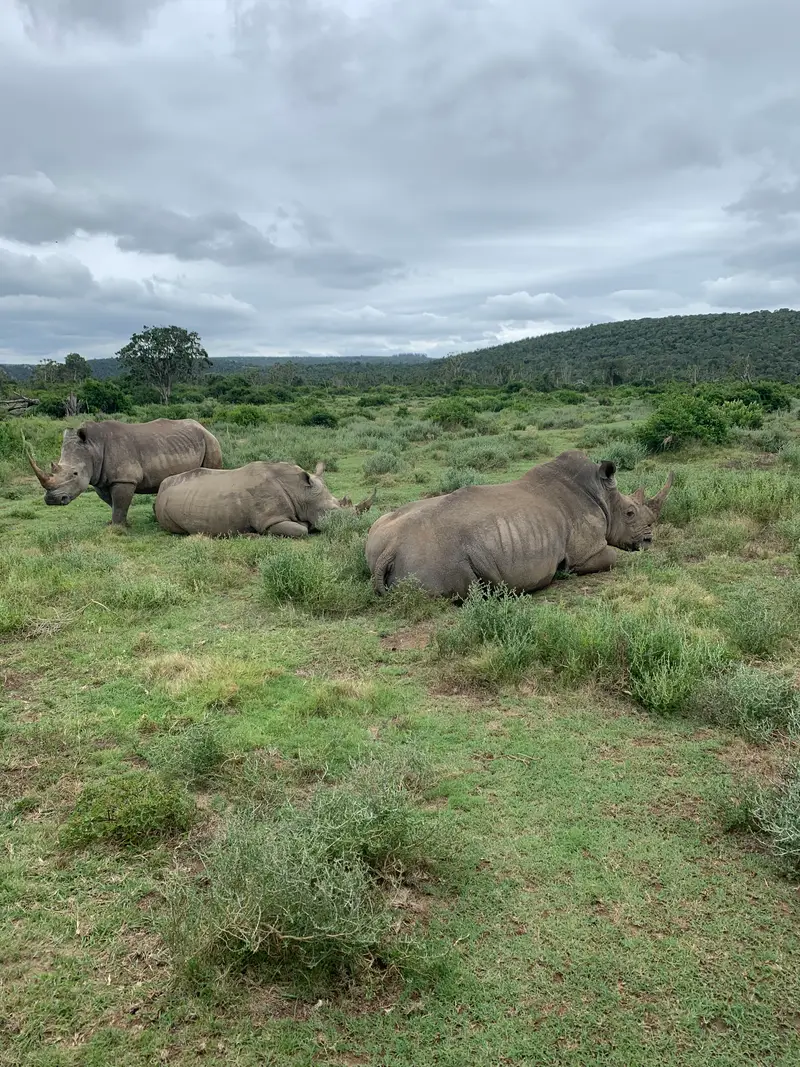
- Rhino conservation — rhino populations, their role in the ecosystem and the human pressures on the species; monitoring may include identifying individual rhinos.
- Lion monitoring — lion ecology and conservation through monitoring, presentations and discussion.
- Camera traps — setting up and checking cameras that record the shy and nocturnal species on the reserve.
- Biodiversity and wildlife management — where the reserve’s needs allow, game counts, game capture, wildlife procedures, and giraffe or buffalo darting for parasite management.
Habitat and reserve management
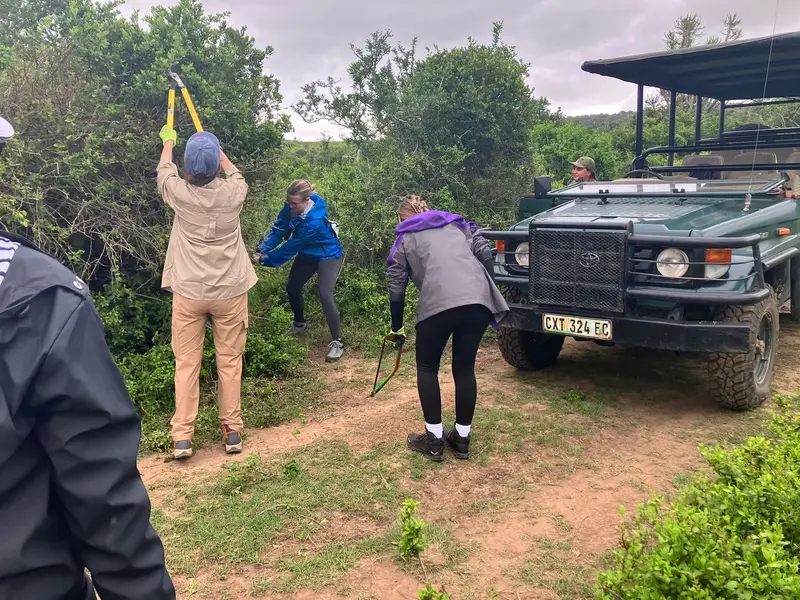
- Habitat and vegetation — vegetation monitoring and rehabilitation, invasive plant clearing and brush cutting.
- Reserve management — road and firebreak maintenance, fence patrols, conservation security and an introduction to the reserve’s Anti-Poaching Unit operations.
River, coast and community
- Boat cruise and fish tagging — fish research on the river: the safe capture, recording, tagging and release of suitable estuarine species.
- Bird watching — identifying species across the bush, river, estuary and surrounding habitats.
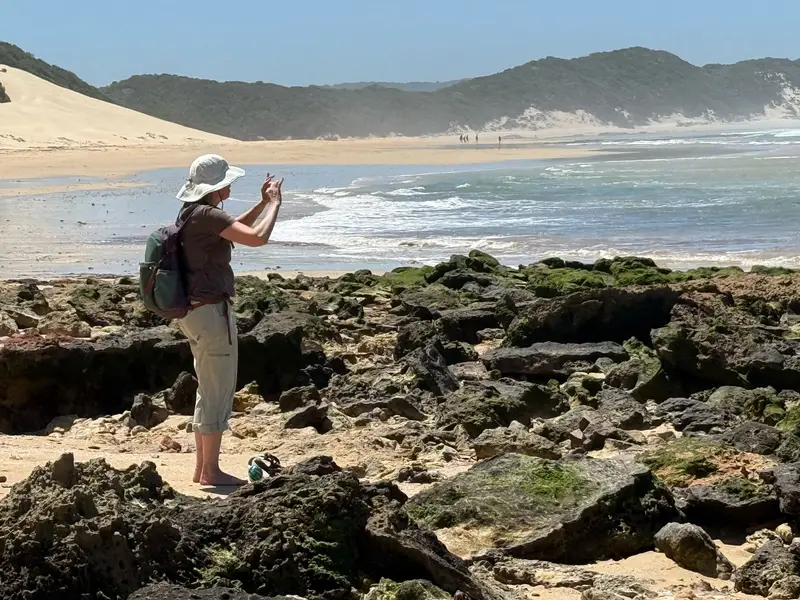
- Rocky shores and coast — the biodiversity of the nearby Eastern Cape coastline, its rocky shores, dunes and beaches.
- Community and environmental outreach — local school visits, environmental education, community projects and beach or river clean-ups.
- Addo Elephant National Park — a visit may form part of the stay.
Sibuya notes that activities can be seasonal, weather-dependent or set by current reserve management priorities, so some procedures may happen during a stay and others may not. In the warmer months from November to March the programme may include nights out on the reserve, evening activities or night drives.
Sibuya’s position, in its own brochure: it does not support facilities or organisations that promote direct interaction with wild animals for entertainment, including cub petting, lion walking or other captive wildlife interaction presented as conservation. The Wilderness Experience is about observing, understanding and contributing to the conservation of wildlife within natural systems.
What a week at Sibuya can look like
There is no fixed timetable. Conservation follows the reserve, not a schedule.
Sibuya’s current brochure says activities are not assigned to set days or weeks. Its December 2025 brochure printed a sample first week, which gives a sense of the rhythm:
- Sunday — arrival and settling in at Intaka Lodge.
- Monday — welcome presentation, elephant monitoring and an elephant conservation presentation.
- Tuesday — rhino conservation presentation and rhino monitoring.
- Wednesday — fence management and vegetation clearing.
- Thursday — bird count and ornithology presentation.
- Friday — community outreach and a trip to town.
- Saturday and Sunday — free time.
Weekends are free. Optional weekend activities in the area, such as whale watching, horse riding, surfing, deep-sea fishing and beach days, are for the volunteer’s own account, with transfer costs shared between those taking part.
Accommodation and meals
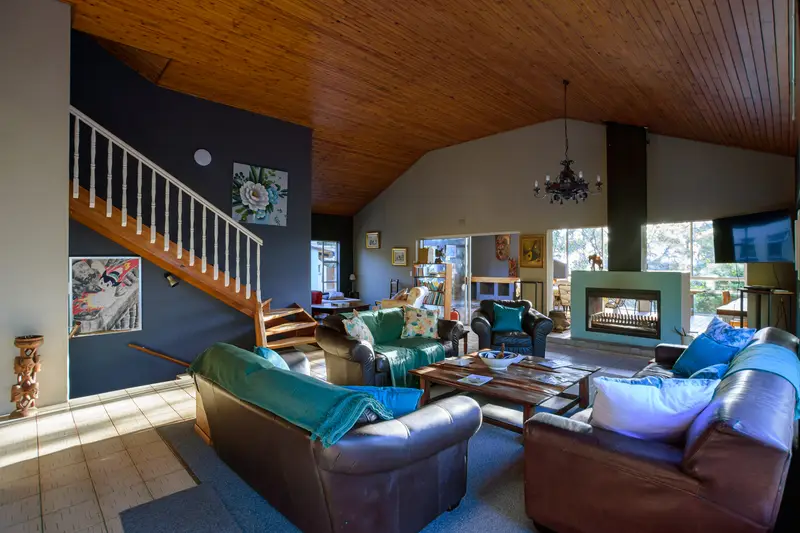
Intaka Lodge, close to the reserve.
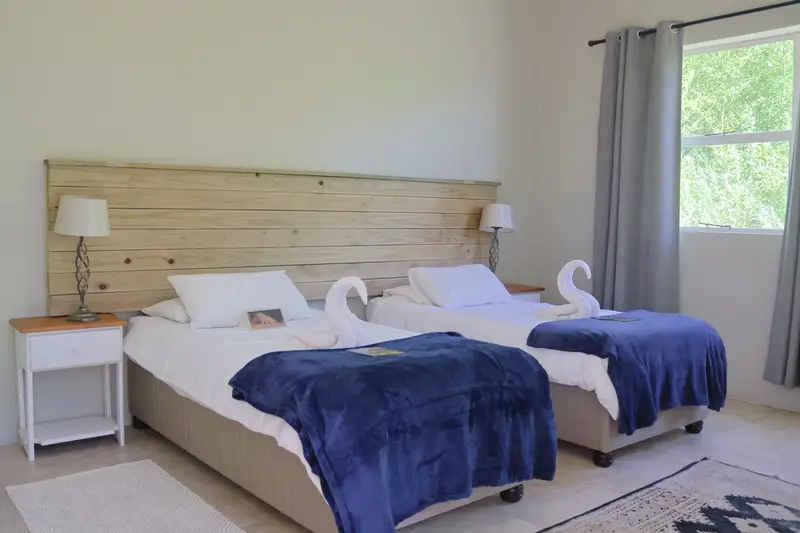
Volunteers are hosted at Intaka Lodge, which Sibuya describes as overlooking deep valleys and rolling hills with the ocean and bush as a backdrop, with expansive grounds, a large swimming pool and a braai (barbecue) area. Rooms are shared, twin-bedded and en-suite; single rooms may be available on request at an additional cost. Sibuya confirms the specific accommodation arrangements and facilities as part of the booking.
Breakfast and meals are provided as Sibuya specifies, with tea, coffee and water. Its December 2025 brochure describes three meals a day prepared with volunteer participation: a continental breakfast, a packed lunch on reserve days and a two-course dinner. There is Wi-Fi in selected areas of the lodge and laundry facilities.
What is included
- Transfers to and from Port Elizabeth airport on scheduled arrival and departure days
- Shared twin-bedded en-suite accommodation
- Breakfast and meals as specified; tea, coffee and water
- Wi-Fi in selected lodge areas, and access to the communal lodge facilities and swimming pool
- Daily conservation experiences and activities
- One qualified conservation coordinator per 10 participants
- Addo Elephant National Park entrance fees and applicable conservation levies, where included in the itinerary
- Linen and basic conveniences
- To keep: a Sibuya T-shirt, a Sibuya branded bottle, a species list and conservation certificates
Not included
Unless Sibuya specifies otherwise: medical and travel insurance; international or domestic flights; personal items and expenses; alcoholic beverages and soft drinks; gratuities; restaurant meals during free weekends; and optional weekend activities and excursions.
Getting there
The nearest airport is Port Elizabeth (Gqeberha), now Chief Dawid Stuurman International Airport. Stays begin on a Sunday, and Sibuya runs scheduled airport transfers on arrival and departure days; the drive to Sibuya takes about 1.5 hours. Sibuya’s December 2025 terms give a 15:00 pick-up at the airport on arrival day and a 09:00 departure from Intaka Lodge on the last day, and arrival on another day is possible with a transfer fee. Confirm current transfer times when booking.
The reserve itself sits on the Kariega River estuary near Kenton-on-Sea. For the reserve’s four lodges, which are reached by boat, see Sibuya Game Reserve.
Before you go
Documents and insurance
Sibuya strongly recommends comprehensive medical and travel insurance. Participants are responsible for making sure their passports, visas and other travel documents meet current South African requirements. Travellers under 18 may need an unabridged birth certificate and supporting documents, and parents or guardians should check the current South African rules before travelling.
What to pack
No specialist equipment is needed. Sibuya’s packing guide:
- Everyday — toiletries, personal medication, personal first-aid items, a reusable water bottle, high-SPF sunscreen, a beach towel, a notebook and casual wear.
- Field clothing — short and long-sleeved shirts, short and long work trousers, hiking or work footwear and trainers, a warm layer or fleece, a windbreaker or rain jacket, a hat or cap, swimwear. Neutral colours are recommended for time on the reserve.
- Gear — binoculars, a daypack, a torch or headlamp, a camera, a laptop where needed for presentations, and a South African plug adapter.
- November to March — a sleeping bag may be needed for selected summer activities; confirm with Sibuya before departure.
For UK travel agents and tour operators
Kusa Connect is Sibuya Game Reserve’s UK travel trade representative.
The Wilderness Experience suits clients who want time on a working Big Five reserve doing conservation work, for a week or longer, in a malaria-free area that is a short drive from a scheduled airport. Kusa Connect works with UK agents and operators on it:
- Enquiries — availability requests passed to Sibuya’s team, and answers on what is included, transfers and documents.
- Sales material — Sibuya’s current Wilderness Experience brochure, fact sheet and rates.
- Training — briefings for sales teams on the programme and on Sibuya’s River Camp, Forest Camp, Bush Lodge and Nel’s Lodge, for clients who want a safari stay before or after volunteering.
Sibuya’s booking terms are a 50% deposit to secure a place, with the balance paid before arrival; cancellation fees depend on the notice given. Sibuya’s own volunteer page and brochure (PDF) carry the full detail.
Frequently asked questions
Questions agents and travellers ask about volunteering at Sibuya.
Enquire about the Sibuya volunteer programme
For availability, the current brochure and rates, or a sales briefing for your team, contact Kusa Connect.
Make a trade enquiry →